The Future of digital lifestyle and virtual reality sets the stage for this enthralling narrative, offering readers a glimpse into a story that is rich in detail and brimming with originality from the outset. Virtual reality is not just a technology but a gateway to new experiences, transforming the way we interact with the digital world.
This exploration delves into the impacts, trends, social implications, and ethical considerations surrounding this evolving landscape.
Impacts of Virtual Reality on Digital Lifestyle
Virtual reality has revolutionized digital lifestyles by offering immersive and interactive experiences that were previously unimaginable. This technology has significantly impacted how people consume content, communicate, and engage with the digital world.
Enhanced Digital Experiences
- Virtual reality applications in gaming have transformed the way gamers interact with virtual environments, providing a more realistic and engaging experience.
- Virtual tours allow users to explore destinations worldwide from the comfort of their homes, revolutionizing the travel industry.
- Virtual reality concerts and events bring people together in virtual spaces, fostering connections and shared experiences.
Benefits and Challenges of Integration
- Benefits:
- Enhanced learning experiences through virtual simulations and training programs.
- Increased productivity in industries like architecture and design through 3D modeling and virtual prototyping.
- Improved healthcare outcomes with virtual reality-assisted surgeries and therapy sessions.
- Challenges:
- Cost barriers for widespread adoption of virtual reality technology in households.
- Concerns about privacy and data security in virtual reality environments.
- Health risks such as motion sickness and eye strain associated with prolonged virtual reality use.
Future Trends in Virtual Reality Technology
Virtual reality technology has come a long way in recent years, and the future holds even more exciting advancements. From improved hardware to innovative applications, the possibilities seem endless for how virtual reality can shape our lives in the years to come.
Advanced Virtual Reality Devices
- Current virtual reality devices, such as Oculus Rift and HTC Vive, offer immersive experiences but are still tethered to external hardware.
- Future innovations may include standalone headsets with built-in processing power, eliminating the need for external connections.
- Advancements in display technology could lead to higher resolution screens, reducing the screen-door effect and enhancing visual fidelity.
Revolutionizing Entertainment, Education, and Work Environments
- Entertainment: Virtual reality has the potential to revolutionize gaming, allowing for more immersive and interactive experiences.
- Education: Virtual reality can transform the way students learn by providing hands-on experiences in virtual environments.
- Work Environments: Virtual reality may revolutionize remote work by enabling virtual meetings and collaboration in a shared digital space.
Virtual Reality and Social Interactions
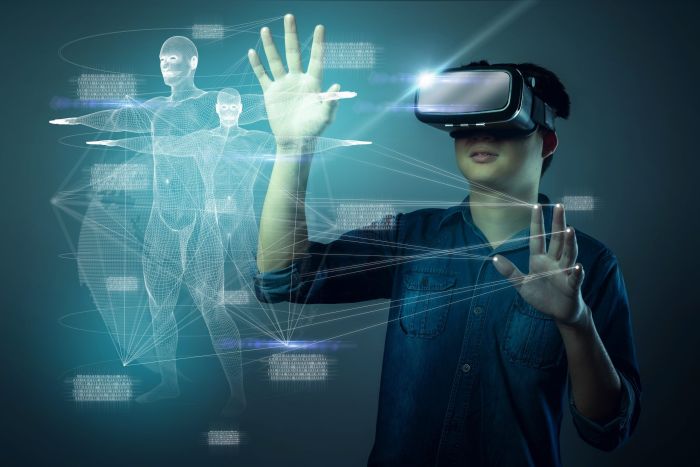
Virtual reality (VR) is revolutionizing social interactions in the digital age by providing immersive experiences that bridge physical distances and connect people in new ways. The impact of VR on remote communication and relationships is significant, offering both benefits and drawbacks that shape how we socialize in virtual environments.
Enhanced Communication:
Virtual reality technology allows individuals to communicate in a more immersive and interactive manner, fostering a sense of presence and closeness even when physically apart. Through VR platforms, users can engage in virtual meetings, conferences, and social gatherings as if they were in the same physical space.
Empathy and Understanding:
VR has the potential to enhance empathy and understanding in social interactions by enabling users to step into each other's virtual shoes. Through shared virtual experiences, individuals can gain a deeper understanding of diverse perspectives and foster stronger connections based on mutual experiences.
Privacy Concerns:
One of the drawbacks of using virtual reality for socializing is the potential invasion of privacy, as users may feel exposed in virtual environments where boundaries between the real and digital worlds blur. Maintaining privacy and security in VR social interactions is crucial to ensuring a safe and comfortable experience for all users
Social Isolation:
While VR can simulate social interactions, excessive reliance on virtual environments for socializing may lead to feelings of social isolation and detachment from real-world relationships. Balancing virtual and physical social interactions is essential to maintaining a healthy social life in the digital age.
Collaborative Experiences:
Virtual reality enables collaborative experiences that transcend physical limitations, allowing users to work together, play games, and engage in shared activities regardless of geographical distance. This collaborative aspect of VR enhances social interactions by fostering teamwork and shared achievements.
Virtual Reality in Healthcare and Wellness
Virtual reality is revolutionizing the healthcare industry by providing innovative solutions for treatments and therapies, ultimately improving patient outcomes.
Utilization in Healthcare Treatments
Virtual reality is being utilized in various healthcare treatments, such as pain management, physical therapy, and rehabilitation. By immersing patients in a virtual environment, VR can distract them from pain, enhance their motor skills, and facilitate faster recovery.
Virtual Reality Applications for Mental Health
Virtual reality applications are also promoting mental health and well-being by offering immersive experiences for relaxation, stress relief, and exposure therapy. For example, VR simulations can help individuals overcome fears and phobias in a controlled environment, leading to improved mental health outcomes.
Future Possibilities in Health Improvement
The future possibilities of virtual reality in healthcare are vast, with ongoing research focusing on personalized medicine, surgical training simulations, and remote patient monitoring. VR has the potential to revolutionize the way healthcare is delivered, leading to better overall health outcomes for patients worldwide.
Ethical Considerations in the Digital Lifestyle with Virtual Reality

Virtual Reality (VR) technology has brought about a new era of digital lifestyle, but with it come various ethical considerations that need to be addressed. As the use of VR becomes more widespread, it is crucial to examine the ethical dilemmas that arise, privacy concerns that come with using VR devices and platforms, and the potential regulations needed to ensure ethical use in the digital lifestyle.
Ethical Dilemmas
- One of the main ethical dilemmas associated with virtual reality is the blurring of lines between reality and simulation. Users may have difficulty distinguishing between what is real and what is not, leading to potential psychological issues.
- Another ethical concern is the potential for addiction to virtual reality experiences, which can have negative impacts on mental health and overall well-being.
- There is also the issue of depersonalization and desensitization that can occur when individuals interact with others in virtual environments, leading to a decrease in empathy and social skills.
Privacy Concerns
- Privacy is a major concern when using virtual reality devices, as they often collect sensitive data about users, such as biometric information and behavioral patterns.
- There is also the risk of data breaches and unauthorized access to personal information, which can have serious consequences for individuals' privacy and security.
- Furthermore, the use of VR in public spaces raises concerns about surveillance and the potential for others to intrude on private experiences.
Regulations and Guidelines
- Regulations are needed to address ethical issues in the digital lifestyle, such as implementing clear guidelines for data collection and usage by VR companies.
- There should be standards set for informed consent when using VR technology, ensuring that users are aware of the risks and implications of sharing their personal data.
- Additionally, there is a need for transparency in the development and use of VR applications, with clear policies on data storage, sharing, and protection.
Conclusive Thoughts
In conclusion, the future of digital lifestyle and virtual reality holds immense promise in revolutionizing how we engage with technology and each other. As we navigate this dynamic realm, it's crucial to embrace the opportunities while being mindful of the challenges and ethical boundaries.
The journey ahead is filled with innovation and possibilities, shaping a future where the lines between the physical and digital worlds continue to blur.
Answers to Common Questions
How can virtual reality enhance educational experiences?
Virtual reality can provide immersive simulations that make learning more engaging and interactive, allowing students to explore complex concepts in a hands-on way.
Are there any health risks associated with prolonged virtual reality use?
Extended use of virtual reality can lead to issues like eye strain, motion sickness, and disorientation. It's important to take breaks and use VR in moderation to mitigate these risks.
What are some potential privacy concerns with virtual reality technology?
Privacy concerns may arise from the collection of personal data through VR devices, potential breaches of sensitive information, and the monitoring of user behavior within virtual environments.







![Top Must-Have Smart Home IoT Devices [2024 Curated]](https://digital.bantenraya.com/wp-content/uploads/2025/10/aee64388c1cfecaae116a4d593f27dfa-120x86.jpg)