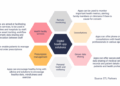
Exploring the realm of digital health apps that truly deliver results, this introduction sets the stage for a deep dive into their impact on healthcare. With a focus on practicality and effectiveness, this overview aims to enlighten readers on the power of these innovative tools in improving overall well-being.
As we progress, we will uncover the key features that set successful digital health apps apart, delve into the evidence-based effectiveness supporting their use, explore user engagement strategies, and examine the integration with wearable devices and IoT technology.
Overview of digital health apps
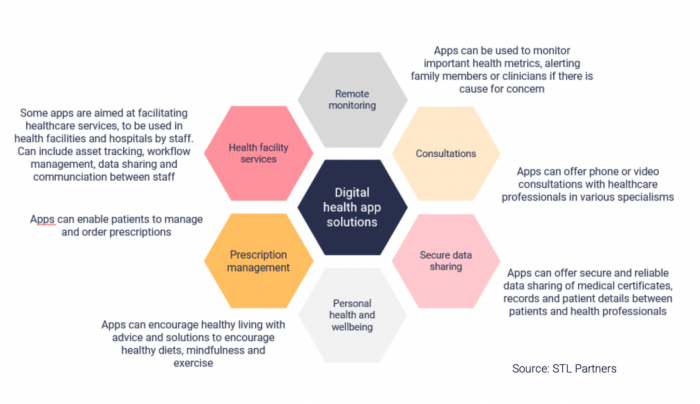
Digital health apps are mobile applications designed to help individuals manage their health and wellness. These apps provide a wide range of features and functionalities, such as tracking physical activity, monitoring vital signs, managing medication schedules, accessing telemedicine services, and offering personalized health recommendations.
Benefits of using digital health apps
- Convenience: Digital health apps allow users to access healthcare resources and information anytime, anywhere, making it easier to stay on top of their health.
- Personalized care: These apps can provide tailored recommendations based on individual health data, promoting a more personalized approach to wellness.
- Improved health outcomes: By actively monitoring and managing health metrics, users can make informed decisions to improve their overall health and well-being.
Examples of popular digital health apps
- Fitbit:A well-known app that tracks physical activity, heart rate, sleep patterns, and more to help users stay active and healthy.
- MyFitnessPal:This app allows users to track their food intake, set fitness goals, and monitor their progress towards a healthier lifestyle.
- Headspace:Focused on mental wellness, this app offers guided meditation sessions and mindfulness exercises to reduce stress and improve mental health.
Key features of effective digital health apps
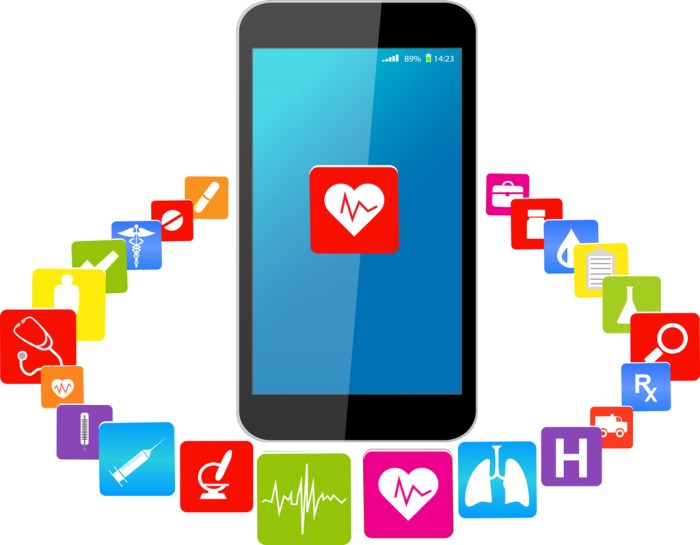
Effective digital health apps are characterized by key features that set them apart from the rest in the market. These features play a crucial role in enhancing user experience, ensuring data privacy and security, and ultimately improving overall health outcomes for users.
User-friendly Interfaces
User-friendly interfaces are essential for digital health apps to be successful. A clean and intuitive design makes it easier for users to navigate the app, find the information they need, and engage with the features effectively. Features such as customizable dashboards, easy-to-use menus, and clear instructions contribute to a positive user experience and encourage continued use of the app.
Data Privacy and Security
Data privacy and security are paramount in digital health app development. Users entrust these apps with sensitive health information, and it is crucial to ensure that data is protected from unauthorized access or breaches. Implementing robust encryption protocols, secure authentication processes, and compliance with data protection regulations are essential for building trust with users and maintaining the integrity of the app.
Evidence-based effectiveness
Developing digital health apps based on evidence is crucial for ensuring their effectiveness in improving users' health outcomes.
Importance of evidence-based practices
Evidence-based practices involve using research, clinical expertise, and patient values to guide decision-making in healthcare. When it comes to digital health apps, incorporating evidence-based practices can enhance the credibility and reliability of these tools.
- By basing app features and functionalities on scientific research and clinical guidelines, developers can ensure that the app aligns with proven methods of improving health outcomes.
- Utilizing evidence-based practices also helps in building trust among users, healthcare providers, and regulatory bodies, leading to increased adoption and usage of the app.
Examples of research demonstrating app effectiveness
Several studies have shown the positive impact of digital health apps on various health outcomes. For example:
Research published in the Journal of Medical Internet Research found that a diabetes management app led to improved glycemic control and medication adherence among users.
- Another study in the Journal of Clinical Oncology demonstrated that a symptom tracking app helped cancer patients communicate better with their healthcare team and manage treatment side effects more effectively.
- A meta-analysis published in JAMA Dermatology indicated that a skincare app incorporating evidence-based recommendations resulted in better skin health outcomes for users.
Evaluation of app impact on health outcomes
Measuring the impact of digital health apps on users' health outcomes involves various methods, such as:
- Conducting randomized controlled trials to compare the effectiveness of the app against standard care or placebo.
- Collecting real-world data through user feedback, app usage analytics, and clinical assessments to assess changes in health behaviors and outcomes.
- Collaborating with healthcare professionals to evaluate the app's integration into existing care pathways and its contribution to patient outcomes.
User engagement and retention strategies
User engagement plays a crucial role in the success of digital health apps. Developers implement various strategies to enhance user interaction and retention within these apps. Personalized content, notifications, gamification, and social features are key elements utilized to keep users engaged and motivated to continue using the app.
Personalized Content and Notifications
Personalization is a powerful tool in increasing user engagement. By tailoring content to meet the specific needs and preferences of individual users, developers can create a more personalized and relevant experience. Notifications also play a significant role in retaining users by providing timely reminders, updates, and encouragement to stay active within the app.
Users are more likely to engage with an app that offers personalized content and relevant notifications.
Gamification and Social Features
Gamification involves incorporating game-like elements such as challenges, rewards, and progress tracking within the app to make the experience more interactive and enjoyable. By adding elements of competition, achievement, and fun, developers can motivate users to stay engaged and committed to their health goals.
Social features like sharing achievements, connecting with friends, or joining virtual communities can also enhance user interaction and create a sense of accountability and support.
Integration with wearable devices and IoT
Wearable devices and IoT technology have revolutionized the way we approach digital health apps by offering real-time data and connectivity that can significantly enhance user experience and health outcomes.
Benefits of integrating wearable devices
- Accurate and continuous monitoring: Wearable devices such as fitness trackers and smartwatches can provide real-time data on various health metrics like heart rate, sleep patterns, and physical activity levels, allowing for more accurate and personalized insights.
- Improved user engagement: By seamlessly integrating wearable devices with health apps, users can easily track their progress, set goals, and receive timely reminders, leading to increased motivation and adherence to health goals.
- Data-driven insights: The combination of wearable devices and digital health apps enables users to gain valuable insights into their health trends over time, empowering them to make informed decisions and adjustments to their lifestyle habits.
Examples of wearable devices enhancing app functionality
- Integration of heart rate monitors in fitness apps to optimize workout intensity and recovery.
- Sleep trackers syncing with mental health apps to identify patterns affecting mood and stress levels.
- Blood glucose monitors connecting to nutrition apps for personalized meal planning and management of diabetes.
Challenges and considerations in integration
- Interoperability: Ensuring seamless communication between different devices and apps to prevent data silos and fragmentation.
- Data privacy and security: Protecting sensitive health information transmitted between devices and apps from potential cyber threats and breaches.
- User experience: Designing intuitive interfaces that make it easy for users to sync and interpret data from wearable devices within the health app ecosystem.
End of Discussion
In conclusion, the journey through the world of digital health apps that actually work has shed light on their immense potential to revolutionize healthcare. By combining cutting-edge technology with user-centric design, these apps offer a promising path towards a healthier future for all.
Question Bank
How do digital health apps differ from traditional healthcare methods?
Digital health apps provide convenient access to personalized health information and tools for self-management, offering a more proactive approach compared to reactive traditional methods.
Are digital health apps secure in terms of protecting user data?
Most reputable digital health apps prioritize data privacy and security by implementing encryption, strict access controls, and compliance with regulations like HIPAA.
Can digital health apps be used as a replacement for professional medical advice?
While digital health apps can complement healthcare services, they should not replace professional medical advice. Users should consult healthcare providers for accurate diagnosis and treatment.





![Top Must-Have Smart Home IoT Devices [2024 Curated]](https://digital.bantenraya.com/wp-content/uploads/2025/10/aee64388c1cfecaae116a4d593f27dfa-120x86.jpg)