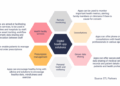
Embark on a journey towards a digital minimalist lifestyle with our guide on streamlining your online presence and improving your overall well-being. Explore the steps to decluttering your digital spaces and establishing healthy boundaries with technology.
Introduction to Digital Minimalism
Digital minimalism is a lifestyle approach that focuses on reducing the excess digital clutter and distractions in our daily lives to create more intentional and meaningful interactions with technology. By embracing digital minimalism, individuals can experience various benefits that enhance their overall well-being and productivity.
Benefits of Digital Minimalism:
- Increased focus and concentration: By decluttering digital distractions, individuals can concentrate better on tasks and activities that truly matter.
- Improved mental health: Reducing screen time and social media usage can lead to lower stress levels and increased feelings of contentment.
- Better sleep quality: Limiting exposure to screens before bedtime can promote better sleep patterns and overall rest.
- Enhanced productivity: By streamlining digital tools and applications, individuals can optimize their workflow and accomplish tasks more efficiently.
Assessing Digital Consumption Habits
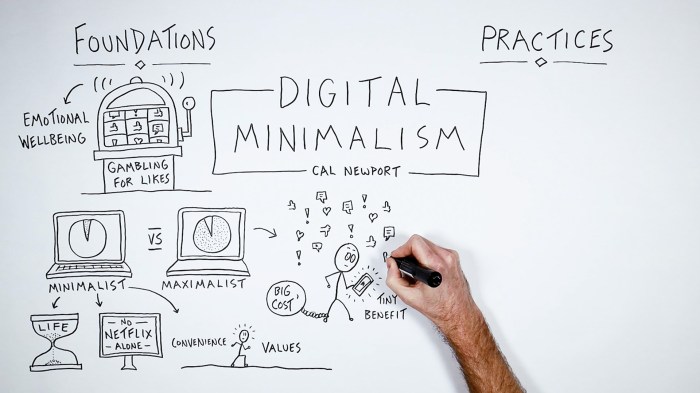
In today's digital age, it's essential to evaluate our digital consumption habits to ensure a healthy balance between online and offline activities. Identifying common digital distractions and understanding the impact of excessive screen time is crucial for maintaining mental well-being.
Identifying Common Digital Distractions
- Social media platforms like Facebook, Instagram, and Twitter can be major sources of distraction, leading to mindless scrolling for hours on end.
- Constant notifications from messaging apps, emails, and news alerts can disrupt focus and productivity throughout the day.
- Binge-watching TV shows and online videos can consume large chunks of time, leaving little room for other activities.
Impact of Excessive Screen Time on Mental Health
-
Research has shown that prolonged screen time can contribute to symptoms of anxiety, depression, and decreased quality of sleep.
- Excessive digital consumption can lead to feelings of isolation, as real-life interactions are often replaced by virtual connections.
- Constant exposure to curated content on social media can distort perceptions of reality and self-worth, leading to negative mental health outcomes.
Strategies to Evaluate and Reduce Digital Consumption
- Set specific time limits for using digital devices and apps to prevent mindless scrolling and excessive screen time.
- Practice mindfulness and awareness of digital consumption habits by taking regular breaks and engaging in offline activities.
- Utilize digital well-being features on smartphones and apps to track usage patterns and set reminders for screen-free time.
Decluttering Digital Spaces
In today's digital age, it's easy to accumulate digital clutter on our devices, leading to decreased productivity and increased stress levels. Decluttering your digital spaces is essential for maintaining a minimalist lifestyle and optimizing your digital experience.
Steps to Declutter Digital Devices
- Start by deleting unused apps and programs to free up storage space and streamline your device.
- Organize your apps into folders or categories to make them easier to find and use.
- Clear out old files and photos that you no longer need, transferring important documents to cloud storage for safekeeping.
- Regularly review and clean out your email inbox, unsubscribing from newsletters and promotions that no longer serve you.
Organizing Digital Files and Minimizing Notifications
- Create a system for organizing your digital files into folders and subfolders based on categories or projects.
- Use file naming conventions to easily identify and locate files when needed.
- Turn off unnecessary notifications on your devices to reduce distractions and interruptions throughout the day.
- Set specific times to check emails and messages instead of being constantly bombarded by notifications.
Tips on Creating a Minimalist Digital Workspace
- Keep your desktop clutter-free by only displaying essential files and shortcuts.
- Use a neutral and calming color scheme for your digital workspace to reduce visual clutter and enhance focus.
- Invest in a quality ergonomic setup with proper lighting and seating to promote comfort and productivity.
- Implement a digital detox routine by scheduling regular breaks from screens and technology to recharge your mind and body.
Establishing Digital Boundaries
Setting boundaries with technology is essential in maintaining a healthy relationship with our digital devices. It helps us avoid distractions, reduce stress, and improve overall well-being. By establishing clear limits on our technology use, we can prioritize what truly matters in our lives.
Limiting Social Media Usage and Screen Time
- Set specific time limits for social media apps and stick to them. Use features like screen time trackers or app limits to help you stay accountable.
- Designate tech-free zones in your home, such as the bedroom or dining area, to create boundaries between online and offline activities.
- Practice digital detox days where you take a break from all screens and engage in activities that nourish your mind and body.
- Unfollow accounts that don't bring value to your life and curate your social media feed to include content that inspires and uplifts you.
Creating a Healthy Balance Between Online and Offline Activities
- Establish set times for checking emails and messages to avoid constant interruptions throughout the day.
- Engage in hobbies or activities that don't involve screens, such as reading a book, going for a walk, or practicing mindfulness.
- Schedule regular breaks from screens during work or study sessions to prevent burnout and improve focus.
- Prioritize face-to-face interactions and quality time with loved ones over virtual connections to nurture meaningful relationships.
Cultivating Offline Hobbies and Activities
In order to build a digital minimalist lifestyle, it is essential to focus on cultivating offline hobbies and activities that can replace digital dependence. Engaging in offline pursuits can help reduce screen time, improve mental well-being, and foster a healthier balance between technology and the real world.
Exploring Nature and Physical Activities
Spending time in nature and participating in physical activities can have numerous benefits for both physical and mental health. Consider activities such as hiking, cycling, gardening, or simply taking a walk in the park to connect with the natural world and recharge away from screens.
- Engaging in outdoor activities can improve mood, reduce stress levels, and boost overall well-being.
- Regular physical exercise can enhance physical health, increase energy levels, and promote better sleep patterns.
- Connecting with nature allows for mindfulness, relaxation, and a sense of grounding in the present moment.
Fostering Face-to-Face Interactions
Building meaningful relationships and fostering face-to-face interactions is crucial for overall happiness and social connection. Here are some tips for enhancing real-life interactions:
- Schedule regular meetups with friends or family members for quality time together.
- Join local clubs or community groups to meet new people with similar interests.
- Practice active listening and engage in meaningful conversations to strengthen relationships.
- Limit the use of smartphones or devices during social gatherings to focus on the present moment.
Mindful Technology Use
In a world where technology is constantly at our fingertips, practicing mindful technology use is essential for maintaining a healthy balance in our digital lives. Mindful technology use involves being intentional and aware of how we interact with our devices and the impact it has on our overall well-being.
Techniques for Practicing Digital Mindfulness
- Awareness of Screen Time: Set limits on screen time and take regular breaks to reduce eye strain and mental fatigue.
- Notification Management: Turn off non-essential notifications to minimize distractions and interruptions throughout the day.
- Schedule Tech-Free Time: Designate specific times during the day to disconnect from devices and focus on being present in the moment.
- Practice Single-Tasking: Avoid multitasking and focus on one task at a time to improve productivity and concentration.
Examples of Apps or Tools for Mindful Tech Usage
- Headspace:A meditation app that offers guided mindfulness exercises to help reduce stress and improve focus.
- Forest:An app that encourages you to stay focused by planting virtual trees when you avoid using your phone for a set period of time.
- Screen Time:Built-in feature on iOS devices that allows you to track your screen time usage and set app limits for better digital balance.
Conclusive Thoughts
In conclusion, embracing a digital minimalist lifestyle can lead to a more balanced and fulfilling existence by prioritizing offline activities and mindful technology use. Take the first step today towards a simpler, more intentional digital life.
Questions and Answers
How can I start transitioning to a digital minimalist lifestyle?
To begin, assess your current digital consumption habits, declutter your digital spaces, and establish boundaries with technology. Start small and gradually incorporate minimalist practices into your daily routine.
What are some offline hobbies I can explore to reduce digital dependence?
You can try activities like hiking, painting, gardening, or cooking. Engaging in these hobbies can help you disconnect from screens and focus on meaningful offline experiences.
Are there any recommended apps for practicing mindful technology use?
Some popular apps for digital mindfulness include Headspace, Calm, and Forest. These apps can help you stay focused, reduce screen time, and cultivate a healthier relationship with technology.






![Top Must-Have Smart Home IoT Devices [2024 Curated]](https://digital.bantenraya.com/wp-content/uploads/2025/10/aee64388c1cfecaae116a4d593f27dfa-120x86.jpg)